

Concrete, known as artificial stone in architecture, is a material that undergoes complex production processes. In recent years, concrete has gradually evolved into a new furniture style, seamlessly blending industrial simplicity with artistic creativity.
By blending industrial simplicity and artistic creativity, concrete furniture has become a new home furnishing style. This furniture style not only embodies our aspirations for a beautiful home, but also imbues spaces with a unique aesthetic and distinctive charm.
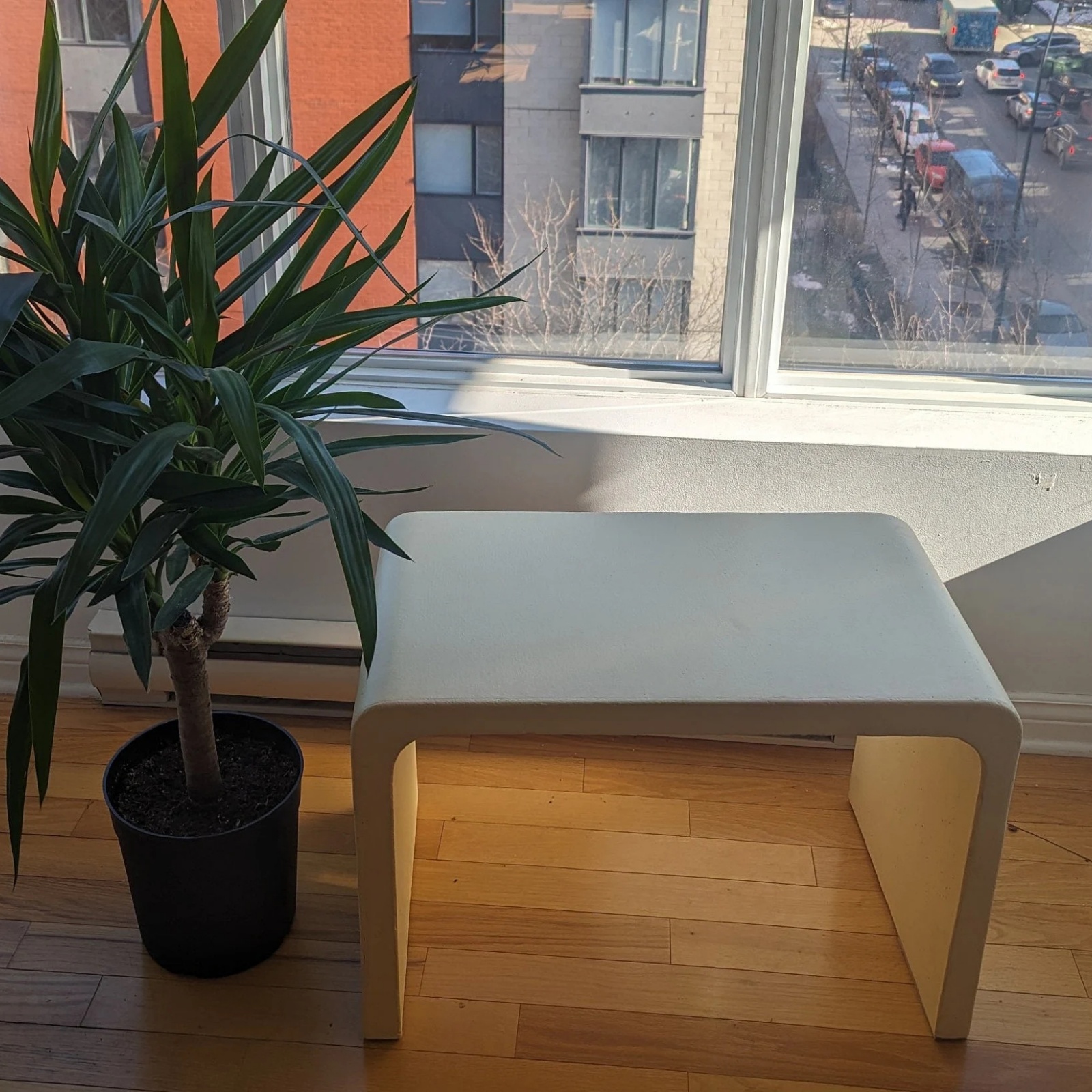
With its simple industrial style and creative design, concrete furniture has become a new favorite in the home furnishing industry. When contrasted with bright lighting, the sharp lines and soft light create a visual feast, creating a warm and stylish atmosphere that adds a unique charm to any home.
Concrete tea tables combine practicality with aesthetic appeal, primarily due to their material properties, durability, and design flexibility:
Weather Resistance and Durability
Concrete is a highly weather-resistant material, adapting to a wide range of indoor and outdoor environments, maintaining stable performance in both hot and humid climates and freezing temperatures. Its dense surface and low water absorption effectively resist rain erosion and freeze-thaw damage, resulting in a service life of over 30 years.
Low Maintenance
Daily maintenance requires only simple cleaning, with no additional anti-corrosion or rust treatment required. Long-term operating costs are lower than those of wood or metal furniture.
Design Flexibility
Concrete tea tables can be molded to create geometric or curved shapes, adapting to diverse styles, from modern minimalist to outdoor casual. For example, a suspended design ensures structural stability while enhancing a sense of visual lightness.
Environmental Benefits
Bare-faced concrete requires no finishing, reducing the use of chemicals and meeting the demand for environmentally friendly materials in modern homes.